



The global aviation industry is facing its most severe crisis since the Covid-19 pandemic, as the sharp rise in fuel prices, resulting from the U.S. and Israel’s war with Iran, has put several airlines in financial difficulty.
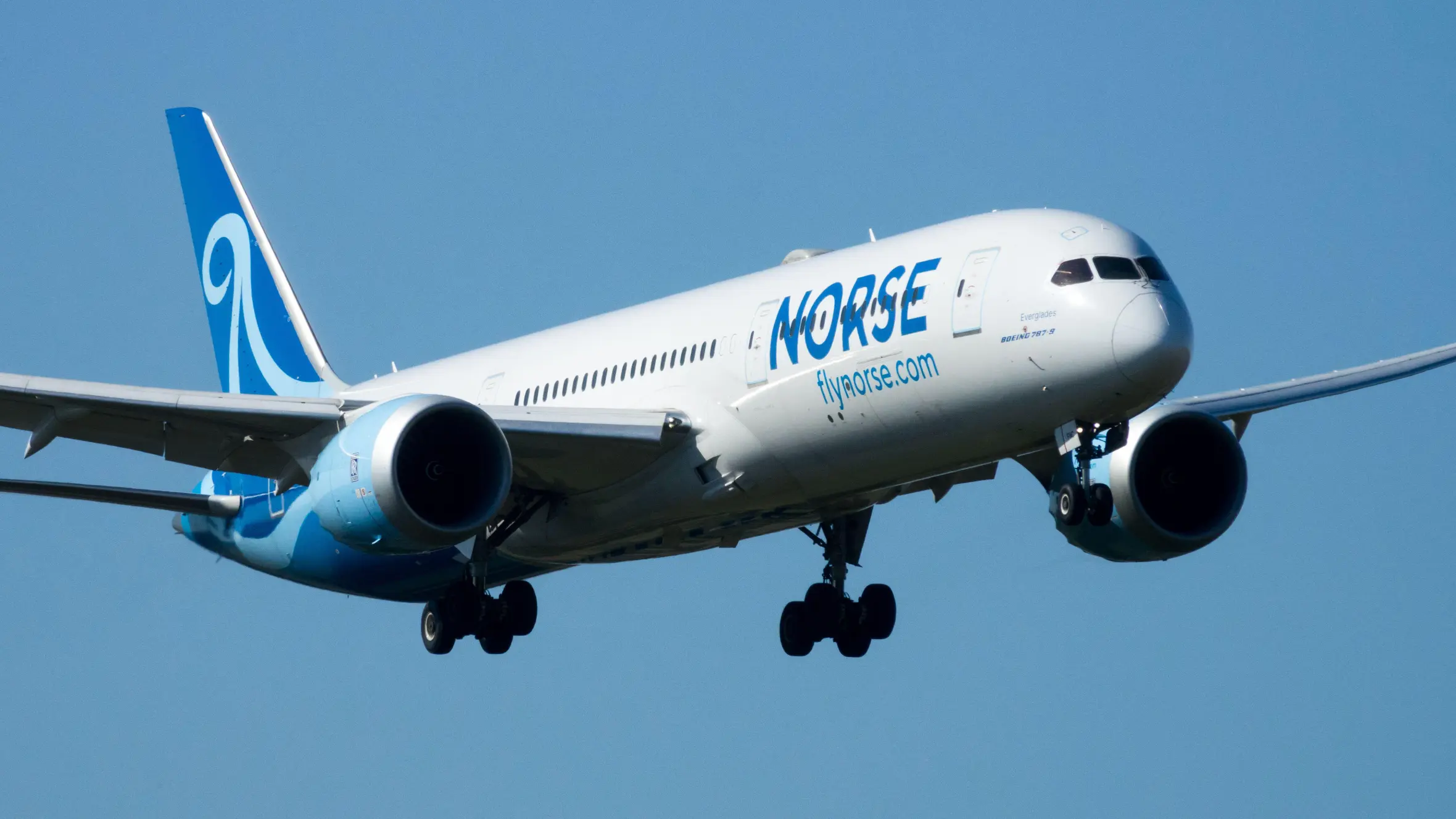
The Norwegian company Norse Atlantic is the latest casualty for the sector. The airline suspended flights on November 26, warning that it would seek bankruptcy protection if it does not urgently secure additional funding.

The company has failed to pay employee salaries, and all of its aircraft have returned to their bases in Norway, Sweden, and the United Kingdom.
The price of jet fuel in Europe more than doubled during March and has remained at high levels throughout the year. Fuel typically accounts for about 20% of airlines’ costs.
The American low-cost carrier Spirit Airlines ceased operations entirely on May 2, after efforts to secure a bailout package from the U.S. government failed and creditors refused to provide additional capital.
In September, the Latvian national airline airBaltic filed for bankruptcy protection in the U.S., warning of 500 to 700 job cuts. The Latvian government has approved a state guarantee of up to 175 million euros to secure private financing.
The Spanish low-cost carrier Volotea is also in difficulty, having begun negotiations with creditors to restructure its debt and secure new capital. According to the company, the rise in fuel prices has incurred about €150 million in additional costs since March.
Another Spanish carrier, Plus Ultra, suspended Madrid–Caracas flights on November 23, ending the last regular route it had in operation. Earlier, the company had suspended flights to Peru, Argentina, and Colombia.
Particularly exposed to the crisis are companies that had not secured fuel prices in advance through hedging contracts, as well as low-cost carriers, which operate on narrow profit margins.
The rising costs are putting pressure on airlines to reduce flights, cut jobs, and secure emergency financing to continue operations. /skyweb.al