



Albanians will face a new tax regime from January 1, 2027, with an increase in the standard VAT rate, an expansion of the number of businesses required to pay this tax, higher dividend taxation, and increased annual vehicle fees.
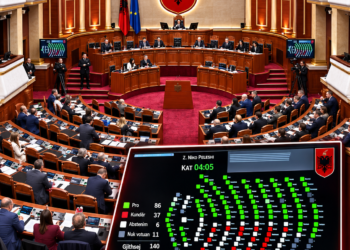
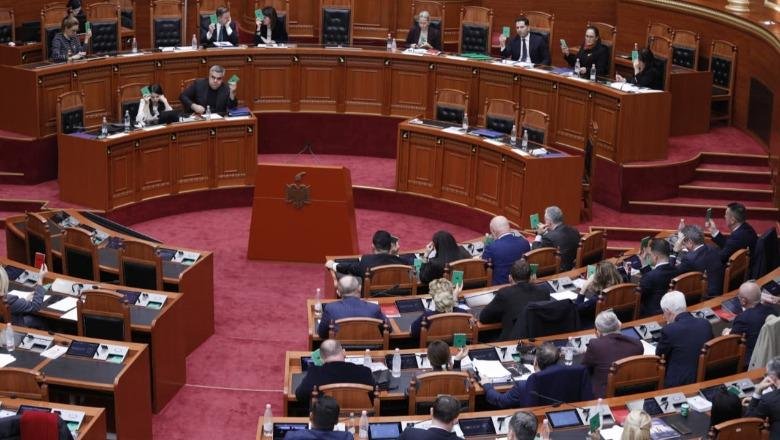
With 80 votes in favor, 22 against and no abstentions, the Assembly approved the state budget for 2027, which provides for expenditures of around 10 billion euros. The parliamentary session, which continued until the early hours of Friday morning, also concluded with the approval of five laws from the fiscal package.

One of the last-minute changes was the extension of tax incentives for investors in four- and five-star hotels and resorts operating under international brands.
With 77 votes, the Assembly approved the amendment by Socialist MP Brisejda Çakërri, through which the deadline for obtaining special status is extended to December 2029. Investors who meet the criteria will be exempt from income tax for ten years. Meanwhile, VAT on accommodation services rises from 6% to 10%.
Starting next year, the way vehicles are taxed will also change. The circulation tax will no longer be applied to fuels but will be compensated for by an average doubling of annual vehicle taxes.
The fiscal package also revises the income tax brackets for employment income. The 23% rate will apply to the portion of the monthly salary above 300,000 lek, up from the current 200,000 lek, while a higher tax rate is planned for income above 700,000 lek per month.
Owners and shareholders of companies that distribute profits will face a heavier tax burden. The dividend tax rises by 7 percentage points, increasing from 8% to 15%.
As of January 1, 2027, businesses with annual turnover exceeding 5 million lek will be required to register for the VAT scheme, down from the current threshold of 10 million lek. The inclusion of thousands of new entities in this scheme will be determined based on the turnover achieved during 2026. For farmers, the threshold remains unchanged.
Meanwhile, the standard VAT rate is also increasing from 20% to 21%, while a reduced rate of 6% will apply to a category of basic consumer products.
The Assembly approved the retention of the differential excise tax for tobacco produced in Albania, as well as a series of changes to tax procedures affecting prepayments, cash transactions, and business deregistration. /skyweb.al