




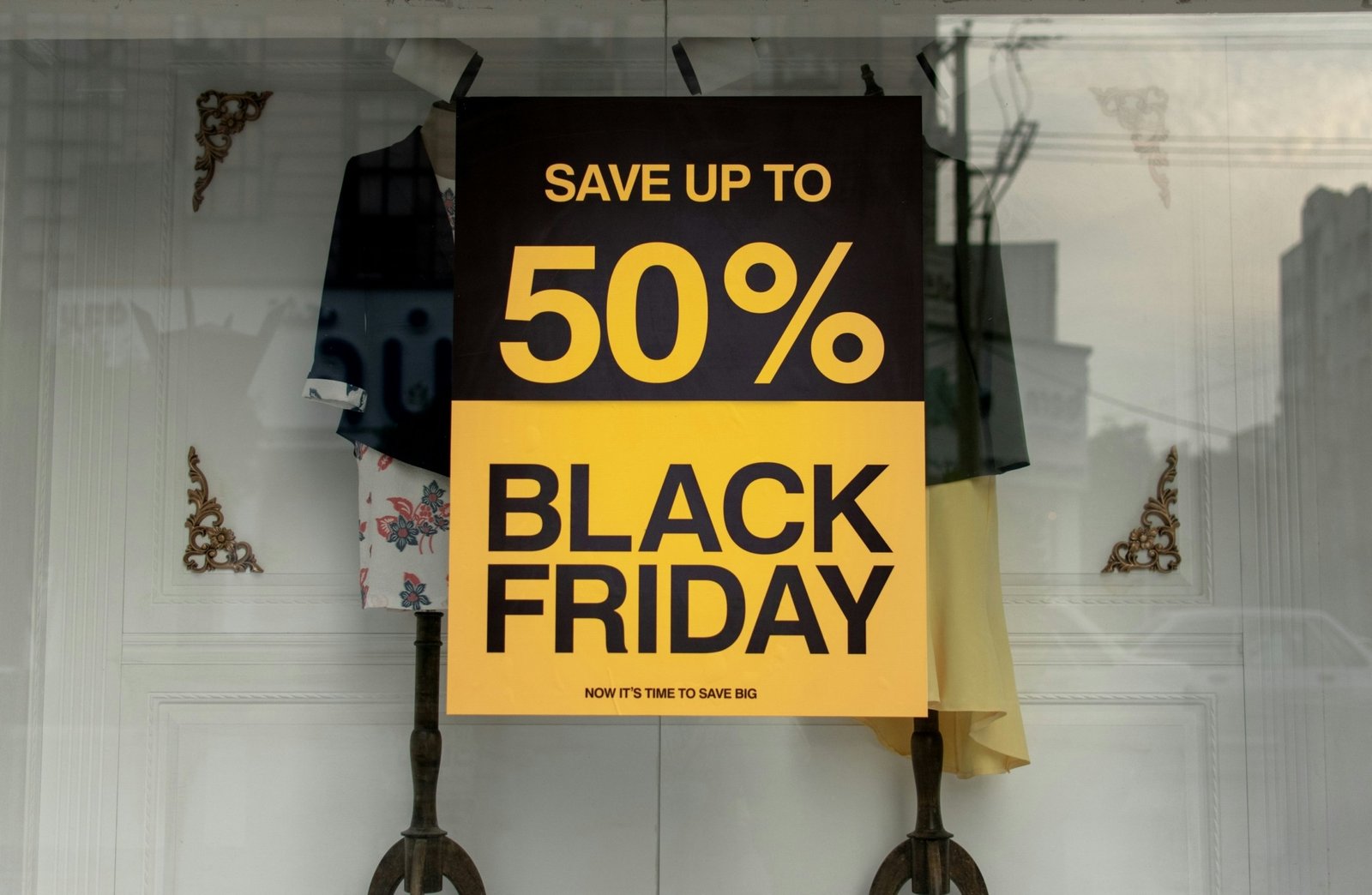
Offers that expire in just a few hours, notices that only two products are left in stock, or messages indicating that dozens of other consumers are viewing the same item. Behind these marketing techniques widely used during Black Friday lies a psychological mechanism: the fear of missing out.
Aaron Atkinson-Toal, author of the book “Influenced: The Science of Why We Buy,” explains to The Guardian that consumers face a paradox. On one hand, they fear missing out on a favorable deal, and on the other, they risk spending money on something they don’t need. Often, the fear of missing out prevails.

The less time a consumer has to make a decision, the more likely the purchase is to be driven by impulse rather than real need.
Technology has significantly amplified this phenomenon. Personalized ads, platform recommendations, influencer videos, and phone notifications create what experts call “consumer noise.” Constant exposure to them stimulates the brain’s reward system, turning shopping into a source of instant gratification.
But how can we resist these offers? Experts suggest a simple experiment: before you buy a discounted product, ask yourself if you would buy it at its regular price. If the answer is no, the main motivation for the purchase may be the discount itself, not the need for the product.
Another method is to delay the purchase for a few days. Consumers can add the product to their virtual cart and come back later to decide if they still want it.
Deleting credit card information from shopping platforms can also help. The need to manually enter payment details creates a time lag that gives the consumer an opportunity to reconsider the decision.
Amber Biello-Taylor, a psychotherapist and addiction specialist, highlights for the Washington Post some signs that indicate consumption may have become a problem: replacing still-functional products simply because they’re out of style, constantly comparing yourself to others on social media, and shopping even when you’re facing debt or financial hardship.
Particularly vulnerable to impulse purchases are people who use shopping as a way to cope with stress, boredom, or loneliness. In these cases, physical activity, walks, and time spent with loved ones can serve as alternative sources of satisfaction.
Experts also recommend disabling promotional notifications from online stores to reduce exposure to offers and the constant pressure to consume. /skyweb.al