



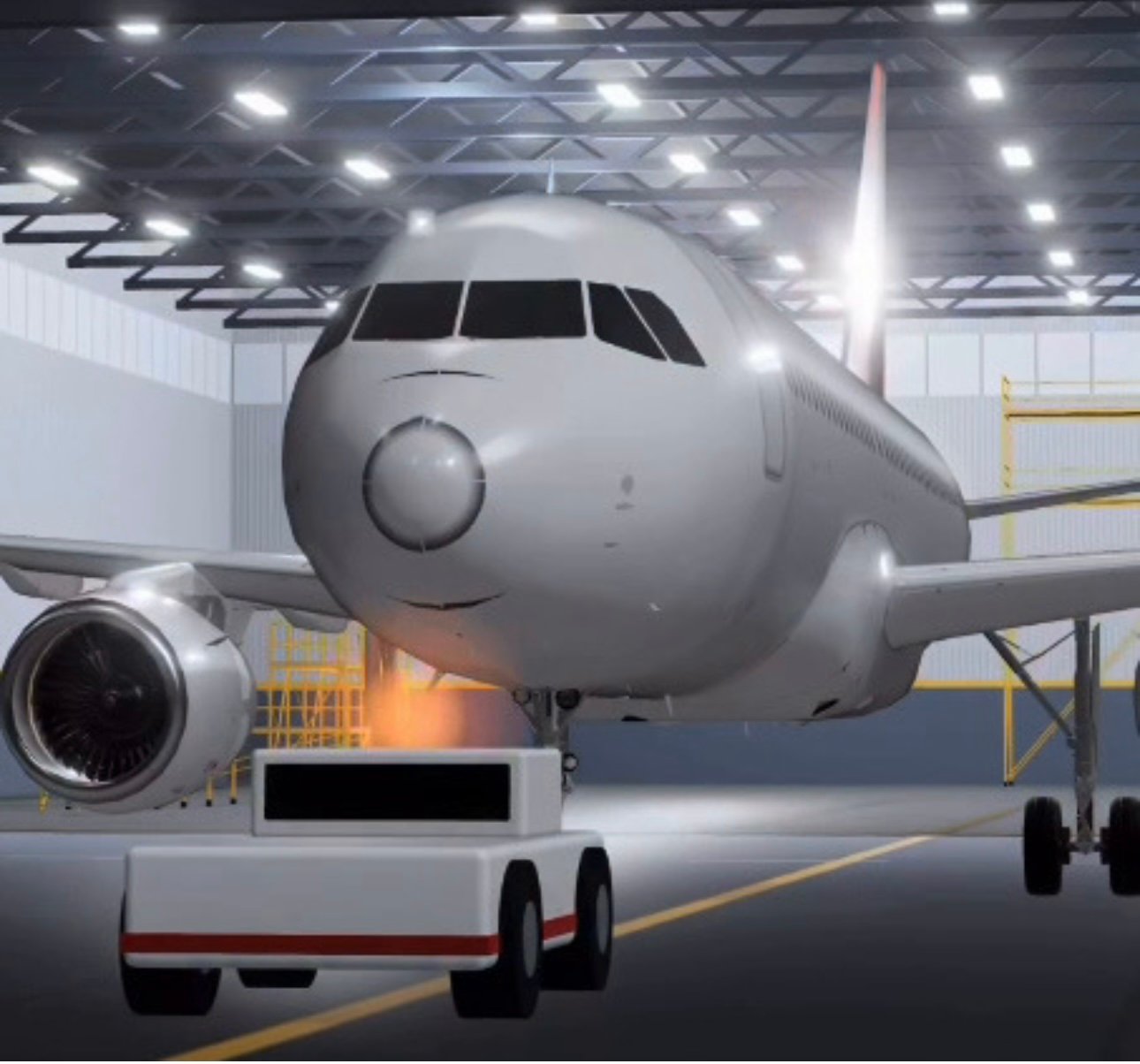
Almost every two years, passenger aircraft are temporarily taken out of service to undergo an in-depth technical inspection, during which cabin components are disassembled and their structures and systems are inspected.
The procedure is known in the aviation industry as a “C-Check” and can last from a few days to several weeks, depending on the aircraft model and the scope of work.

The aircraft is lifted onto special stands, while technicians can remove seats, panels, and parts of the floor to access the internal structure.
Specialists inspect metal components for signs of corrosion, wear, or structural damage. Using electromagnetic equipment, even microscopic cracks invisible to the naked eye can be detected.
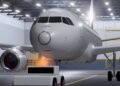
Inside the hangar, the landing gear extension and retraction mechanisms are also tested, while special attention is paid to the systems that control the aircraft’s maneuvering.
In certain components, bolts are secured with steel wire to prevent them from loosening due to vibrations during flight. Interventions on critical mechanisms are also subject to independent checks by a second technician.
Such an inspection can require 6,000 accumulated technician-hours, or even more, depending on the aircraft and the complexity of the interventions.
All work is documented and certified before the aircraft returns to service.
Inspection intervals are determined by the aircraft model, flight hours, number of takeoffs and landings, and the maintenance program.
Beyond the C-Check, aircraft also periodically undergo more in-depth inspections, known as “D-Checks,” during which engines, the cabin, and a significant portion of the aircraft’s systems may be disassembled. /skyweb.al