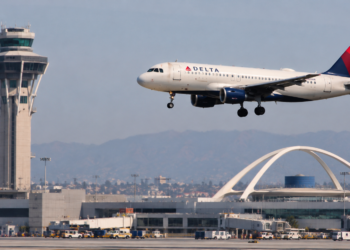




When the plane lands just before midnight after the last flight and the passengers leave the airport, the aviation mechanics begin an important shift.
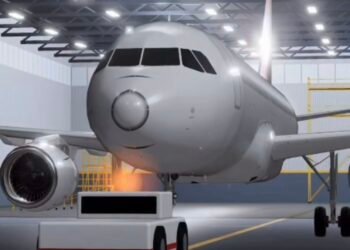
Within a few hours, the aircraft must be inspected and prepared for its next flight.

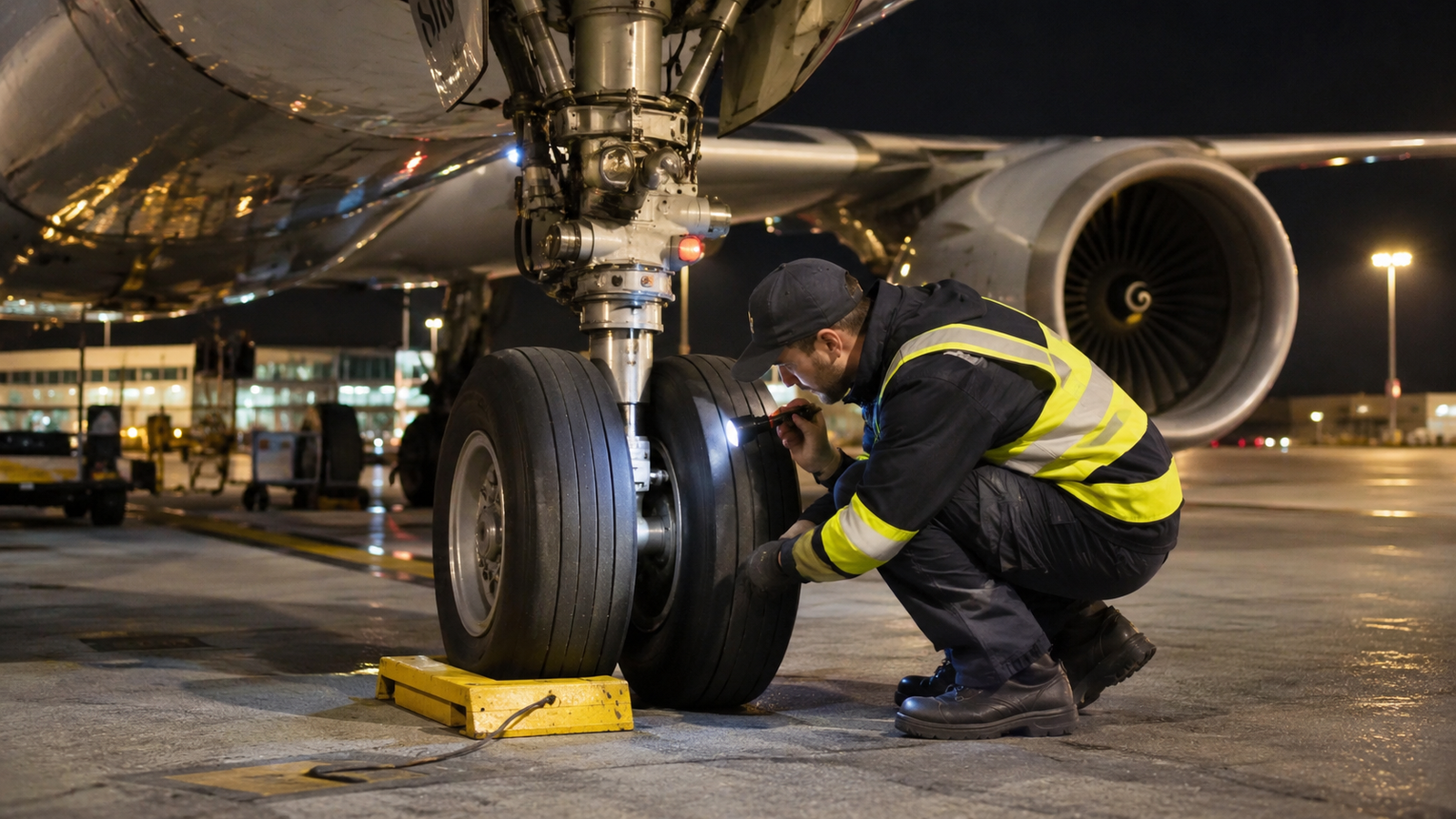
The checks begin with the aircraft’s tires. The mechanic inspects each tire tread, looking for any cuts or damage that could compromise safety during takeoff and landing.
Next, the braking system is inspected. A small metal indicator shows the brake wear level and helps determine when they need to be replaced.
Next come the engines, where each fan blade is inspected individually to identify any possible damage.
If the mechanic discovers even a small crack in a tire, it can no longer be used and must be replaced before the flight.
But the most important part of the job is what passengers never see: documenting and signing the certificate that authorizes the aircraft’s return to service after maintenance.
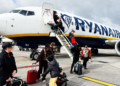
At 6:10 AM, passengers board the plane with their morning coffee in hand, unaware that just a few hours earlier mechanics may have discovered and fixed a technical issue.
They don’t meet the mechanic and will probably never see them, but behind every technical intervention lies the professional responsibility of the personnel who ensure the aircraft’s readiness for flight. /skyweb.al