



For three decades, Albanian seasonal workers have been one of the main pillars of Greek agriculture. But their departure to countries offering higher wages, their return to Albania, or their transition from workers to landowners is placing Greek farmers facing a severe labor crisis.
In the 1990s and early 2000s, Albanian immigrants made a significant contribution to Greece’s rural economy and construction sector, although they often faced prejudice, nationalist rhetoric, bureaucratic obstacles, and low wages.

Today, Greek farmers face the risk of their crops going unharvested, as efforts to replace Albanian workers are not yielding the expected results.
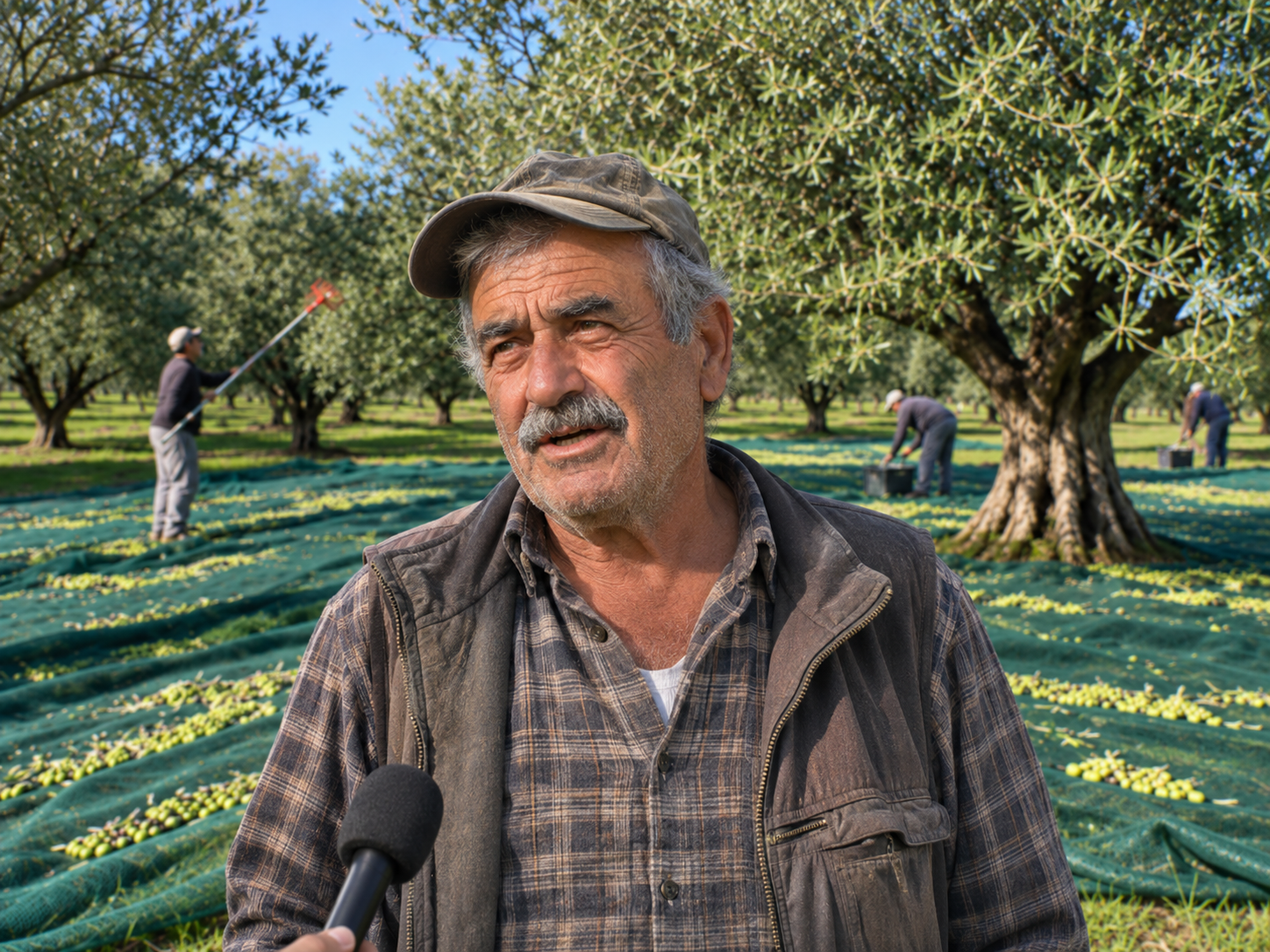
According to the Greek newspaper “Protothema,” despite agreements to bring in workers from Egypt, India, Pakistan, and Bangladesh, farmers estimate that the Albanians’ experience, Greek language proficiency, and flexibility with work schedules make them difficult to replace.
Farmers interviewed by the Greek media complain that some of the recently arrived workers ask for breaks every four hours and refuse night shifts, unlike the experience they had with Albanian workers.
From seasonal workers to landowners
Many Albanians, along with Bulgarian and Romanian workers, are traveling by charter flights to Germany, where daily wages reach up to 100 euros.
Another group is returning to Albania, where higher wages and the absence of emigration costs make working in their homeland more profitable.
According to Dimitris Manokou, chairman of the Imathia Agricultural Workers’ Union, many Albanians who have lived in Greece for 30 years have now bought their own orchards, ranging from 2 to 4 hectares in size. Those who once worked by the day for Greek farmers now hire workers themselves.
Wages double, farmers risk bankruptcy
To retain their workforce, Greek farmers have more than doubled daily wages. From €30–40 in 2021, an experienced worker is now paid €80 to €90 per day, often with food, accommodation, and transportation covered.
But the rise in labor costs is calling the profitability of agricultural production into question.
With the price of olive oil at €3.20 per kilogram, a team of four workers costs at least €320 per day, the value of 100 kilograms of olive oil, not including other production costs.
According to Greek media reports, about 10% of the olive harvest is being left unpicked, while the labor shortage in Greek agriculture is estimated at between 70,000 and over 200,000 workers. /skyweb.al